Contents
Window Installation Warranties: What They Cover and What They Don't
Manufacturer warranty vs installation warranty — they're different, and you need both. Learn what each covers, how long they last, what voids them, and the warranty red flags that should concern you.
CozyBetterHomes Team
40+ combined years in window and door replacement
What does a window installation warranty cover and how long does it last?
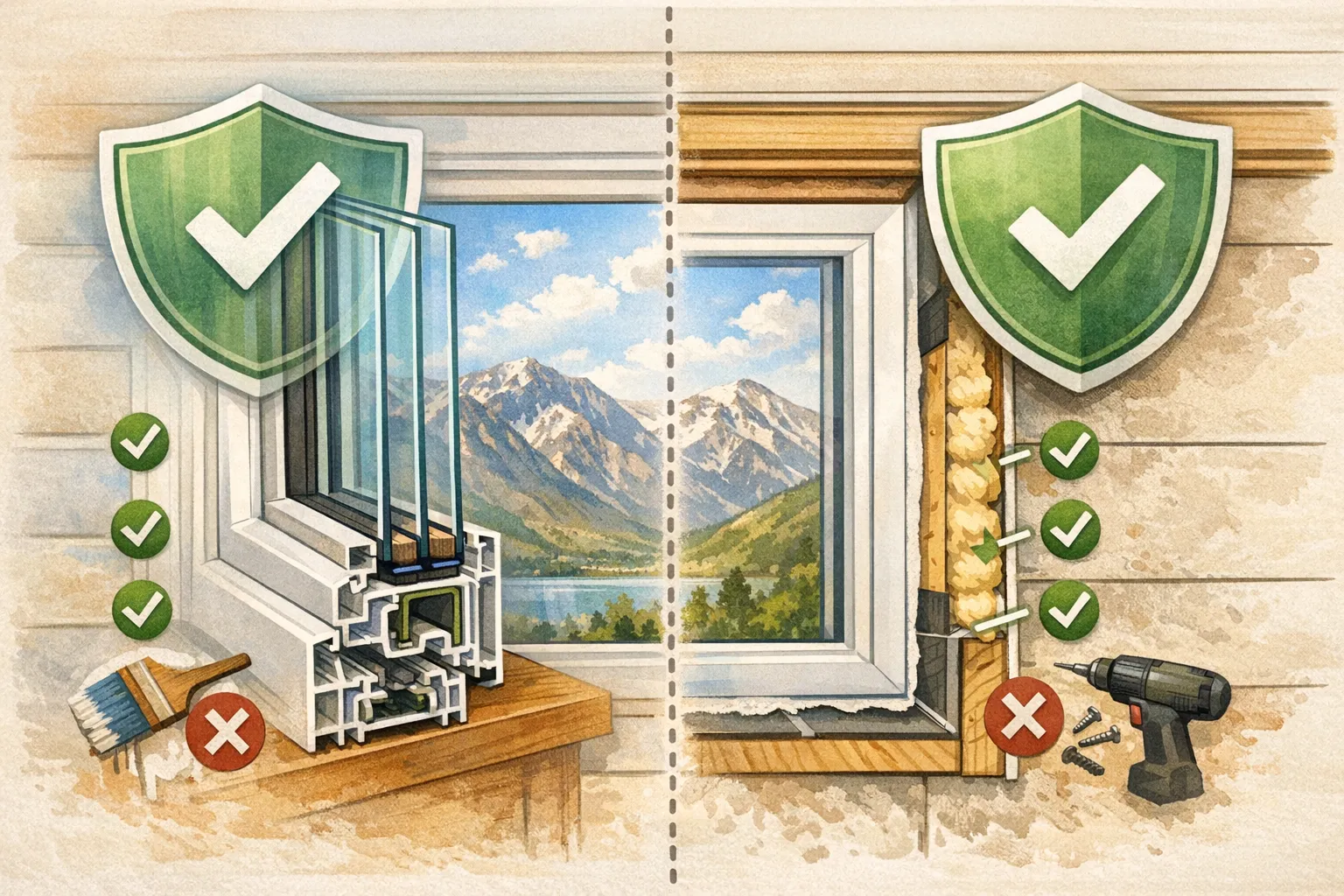
Window replacement comes with two separate warranties: a manufacturer warranty covering product defects (glass seal failure, frame warping, hardware malfunction) lasting 20 years to lifetime, and an installation warranty covering workmanship issues (air leaks, water intrusion, improper fitting) typically lasting 5-10 years. 'Lifetime' warranties usually mean the original purchaser's ownership period and may be prorated. Painting vinyl frames, hiring unauthorized installers, or failing to perform basic maintenance are the most common actions that void warranty coverage.
- •Manufacturer warranty covers glass seal failure, frame defects, and hardware for 20 years to lifetime
- •Installation warranty covers drafts, leaks, and operational problems from improper fitting for 5-10 years
- •Painting vinyl frames voids virtually every vinyl window warranty — order factory colors instead
- •'Lifetime' warranty does not mean forever — it typically means the original purchaser's ownership period
- •A contractor offering only a 1-year installation warranty is a red flag; 5 years is the reasonable minimum
Note: Manufacturer, contractor, frame material, and whether proper maintenance is performed
Quick Hits
- •You need two separate warranties: one from the manufacturer covering the window product, and one from the installer covering the workmanship.
- •Manufacturer warranties typically cover glass seal failure, frame defects, and hardware malfunction for 20 years to lifetime.
- •Installation warranties cover drafts, leaks, and operational problems caused by improper fitting — usually for 5-10 years.
- •'Lifetime warranty' does not always mean what you think — read the fine print on transferability, prorated coverage, and exclusions.
- •Improper maintenance, unauthorized modifications, and acts of nature are the most common warranty exclusions.
You just invested thousands of dollars in new windows. They look great, the house feels better, and you are ready to enjoy the results for decades. But there is one more piece of the puzzle that deserves your attention before you file the paperwork away and move on: your warranty coverage.
Window warranties are one of the most misunderstood aspects of home improvement. Most homeowners assume they have "a warranty" and leave it at that. In reality, you need two separate warranties, and understanding what each one covers — and what it does not — can save you thousands of dollars if something goes wrong down the road.
Two Warranties, Not One
This is the most important thing to understand: your window replacement comes with two distinct warranties from two different sources.
The manufacturer warranty comes from the company that made your windows. It covers defects in the product itself.
The installation (workmanship) warranty comes from the contractor who installed your windows. It covers errors in how the windows were installed.
You need both. A perfectly manufactured window can still have problems if it was installed improperly. And a perfect installation cannot fix a manufacturing defect. Each warranty covers a different category of potential issues.
If your contractor only offers one warranty, or if the distinction between the two is unclear, ask for clarification before signing your contract. Our guide to choosing a window installer covers what to look for in warranty terms during the vetting process.
What the Manufacturer Warranty Covers
The manufacturer warranty protects you against defects in the window product that were present at the time of manufacturing or that develop due to material or design flaws. Typical coverage includes:
Glass and Seal
- Insulated glass unit (IGU) seal failure — This is the most common warranty claim. When the seal between panes fails, moisture enters the space and causes fogging or condensation between the panes. Quality manufacturers warrant their IGU seals for 20 years to lifetime.
- Glass breakage due to thermal stress — Rare but possible, especially with certain Low-E coatings in extreme temperature environments like Utah. Some manufacturers cover this; others do not.
- Low-E coating degradation — The metallic coating that reflects heat should last the life of the window. If it delaminates, peels, or loses effectiveness, it is a manufacturing defect.
Frame
- Warping, bowing, or distortion — Vinyl and fiberglass frames should maintain their shape. If a frame warps due to material defects (not impact damage), it is covered.
- Cracking or splitting — Frame material that cracks under normal use and weather exposure is a manufacturing defect.
- Color fading or discoloration — Major manufacturers warrant their frame color against significant fading for 10-20 years or longer.
Hardware
- Lock mechanism failure — Locks that stop engaging or disengaging under normal use
- Crank and hinge failure — On casement and awning windows
- Balance system failure — On double-hung windows, the balance system that holds the sash open. If it fails prematurely, it is typically a warranted defect.
What the Manufacturer Warranty Typically Does NOT Cover
- Normal wear and tear
- Damage from misuse, abuse, or accidents
- Acts of nature (hail, extreme wind, earthquake, flooding)
- Condensation on the INTERIOR surface of the glass (this is a humidity issue in your home, not a window defect)
- Damage from cleaning with abrasive or chemical products
- Modifications or alterations to the window
- Installation errors (this falls under the installation warranty)
What the Installation Warranty Covers
The installation warranty protects you against problems that arise from how the window was installed in your home. This warranty comes from the contractor and covers their workmanship:
Common Installation Warranty Claims
- Air leakage around the frame — If you feel drafts around the edges of the window (not through the glass), the insulation or sealing around the frame was likely inadequate. This is an installation error.
- Water intrusion — If rainwater leaks in at the wall-to-window junction, the flashing and waterproofing were not done correctly. This can cause significant wall damage if not addressed.
- Operational problems — If a window is difficult to open or close, does not lock properly, or the sash does not sit square in the frame, it was likely not shimmed and leveled correctly during installation.
- Improper insulation — Gaps in the low-expansion foam between the window frame and the rough opening that allow air and moisture movement.
- Trim and finish issues — Interior or exterior trim that separates, does not fit properly, or was attached incorrectly.
What the Installation Warranty Typically Does NOT Cover
- Manufacturing defects in the window itself
- Damage caused by the homeowner or other contractors
- Normal settling of the home that may affect window operation over time
- Issues caused by failure to maintain the window (lubrication, weatherstrip replacement)
- Pre-existing structural problems in the wall that were not disclosed or visible during installation
How Long Do Window Warranties Last
Warranty duration varies significantly between manufacturers and contractors. Here is what to expect:
Manufacturer Warranty Duration
| Coverage Area | Typical Duration |
|---|---|
| Glass seal (IGU) | 20 years - lifetime |
| Frame | 20 years - lifetime |
| Hardware | 10-20 years |
| Exterior finish/color | 10-20 years |
| Screens | 1-5 years |
A note on "lifetime" warranties: "Lifetime" almost never means "forever." In the window industry, "lifetime" typically means the lifetime of the product's service in your home while you, the original purchaser, own the home. It may be prorated after a certain number of years (meaning you pay an increasing share of repair/replacement costs over time). Always read the specific definition of "lifetime" in your warranty terms.
Installation Warranty Duration
| Contractor Type | Typical Duration |
|---|---|
| Small local installers | 1-5 years |
| Mid-size regional companies | 5-10 years |
| Premium contractors | 10 years - lifetime |
Longer installation warranties reflect a contractor's confidence in their work. A company willing to back their installation for 10+ years has a strong incentive to get it right the first time. This is one of the most telling indicators of a quality contractor.
What Voids a Window Warranty
Both warranties come with conditions. Violate them, and your coverage disappears. The most common warranty-voiding actions include:
For Manufacturer Warranties
- Installation by a non-approved installer. Some manufacturers require installation by a certified or authorized dealer to activate the warranty. Ask before you buy.
- Painting vinyl frames. This voids virtually every vinyl window warranty. The paint traps heat and can cause the frame to warp, and manufacturers will not cover the damage. If you want colored frames, order them in the factory color you want.
- Using non-manufacturer parts. Installing aftermarket screens, hardware, or weatherstripping can void coverage on the components you replaced and sometimes on the entire window.
- Unauthorized modifications. Cutting, drilling, or altering the window frame voids the warranty. This includes adding security bars, planter boxes, or other attachments that penetrate the frame.
- Failure to provide basic maintenance. Most warranties require you to keep the windows reasonably clean, lubricate moving parts periodically, and replace worn weatherstripping. Neglect that leads to damage is not covered.
For Installation Warranties
- Hiring another contractor to modify or rework the installation. If someone else touches the window installation, the original installer is no longer responsible for problems.
- Structural modifications near the window. If you remodel the room, remove walls, or make other structural changes that affect the window opening, the installation warranty may be voided.
- Failure to report problems promptly. Many installation warranties require you to notify the contractor within a reasonable timeframe after discovering an issue. Waiting months or years can void coverage.
Warranty Red Flags
When reviewing warranty terms — whether from a manufacturer or installer — watch for these warning signs:
Excessively vague language. Terms like "reasonable" wear, "normal" conditions, or "typical" performance leave too much room for the warranty provider to deny claims. Good warranties use specific, measurable language.
Short installation warranties. A contractor offering only a 1-year workmanship warranty is not confident in their work. In Utah's climate — with extreme temperature swings, heavy snow loads, and intense UV — installation issues can take 2-3 years to manifest. Five years is a reasonable minimum for installation coverage.
Non-transferable coverage. If you might sell your home during the warranty period, transferability matters. A non-transferable warranty loses its value the day you list your home. Transferable warranties, on the other hand, are a selling point that adds real value at resale.
Prorated from day one. Some warranties are prorated, meaning your coverage decreases over time. A warranty that is "lifetime" but prorated to 50% after 5 years is very different from one that provides full coverage for 20 years. Read the proration schedule carefully.
No written documentation. If a contractor makes warranty promises verbally but will not put them in writing, those promises are worthless. Everything in writing, signed, and dated.
How to File a Warranty Claim
If you need warranty service, follow this process:
Step 1: Determine Which Warranty Applies
Identify whether the issue is a product defect (manufacturer) or an installation problem (contractor). When in doubt, contact both.
- Foggy glass, broken hardware, frame defect → Contact manufacturer
- Drafts around frame, water leaks, operational problems → Contact installer
- Unsure → Contact installer first; they can help diagnose whether it is a product or installation issue
Step 2: Document the Problem
Before calling anyone:
- Take clear photos and videos of the issue
- Note which window is affected (by location in your home and, if you still have it, the original quote line item)
- Write down when you first noticed the problem
- Check whether anything has changed (remodeling, landscaping changes, impact events)
Step 3: Contact the Warranty Provider
Call the manufacturer's warranty line or your installer's office. Have your warranty documentation, purchase date, and problem details ready. Most reputable companies will schedule an inspection within 1-2 weeks.
Step 4: Get the Resolution in Writing
Whether the warranty covers the issue or not, get the determination in writing. If the claim is approved, confirm the timeline and scope of the repair or replacement. If denied, ask for a written explanation citing the specific warranty terms.
Protecting Your Warranty Long-Term
A few simple habits will keep your warranties intact and your windows performing well for decades:
Keep your paperwork. Store warranty documents, your purchase contract, and all correspondence in a dedicated file. Include the manufacturer's name, model numbers, and your contractor's contact information. A digital backup (photos of all documents) is a smart safeguard.
Perform basic maintenance annually. Clean window tracks, lubricate moving parts with silicone spray, inspect weatherstripping for wear, and check exterior caulking for gaps or cracks. This 30-minute annual task keeps your windows operating smoothly and demonstrates the "reasonable maintenance" that warranties require.
Inspect after major weather events. Utah gets hailstorms, heavy snow, and windstorms. After any severe weather, walk through your home and inspect your windows for new damage. Document and report damage promptly — waiting can complicate warranty claims.
Never paint vinyl frames. This bears repeating because it is the single most common way homeowners accidentally void their warranty. If you want a color change, contact the manufacturer about approved refinishing options.
Know your transferability terms. If you sell your home, check whether your warranty requires a formal transfer process. Some manufacturers need to be notified of the ownership change within a specific window (often 30-60 days of the sale). Miss that deadline, and the new owner may lose coverage.
Understanding your warranty is part of understanding the entire window replacement process. It is the last piece of the puzzle — and the one that protects your investment for years to come. Take 15 minutes to read the fine print now, and you will be prepared if you ever need to use it.
For more guidance on evaluating contractors and their warranty offerings before you commit, review our guide to getting a window quote and our contractor vetting guide. The warranty terms a contractor offers tell you a lot about the quality of work they plan to deliver.
Evidence & Sources
Verified 2026-02-11- The FTC provides guidance on home improvement warranties and consumer protections for homeowners
- Federal Trade Commission (2026)
- Utah requires contractors to be licensed with the Division of Occupational and Professional Licensing (DOPL) under the Construction Trades Licensing Act
- Utah State Legislature (2026)
- Energy Star certified windows must meet performance standards that include glass seal integrity and insulating unit longevity
- Energy Star (2026)
- The NFRC label provides standardized performance ratings that serve as the baseline for manufacturer warranty performance claims
- National Fenestration Rating Council (2026)
References
- https://www.energystar.gov/products/windows_doors_skylights
- https://www.energy.gov/energysaver/windows-doors-and-skylights
- https://www.nfrc.org/energy-performance-label/
- https://www.ftc.gov/business-guidance/resources/home-improvement
- https://le.utah.gov/xcode/Title58/Chapter55/58-55.html
Free Utah Window Replacement Guide
Get our complete guide with local pricing data, rebate info, and a step-by-step replacement timeline — delivered to your inbox.
FAQ
What is the difference between a manufacturer warranty and an installation warranty?
A manufacturer warranty covers defects in the window product itself — things like glass seal failure (foggy windows), frame warping or cracking, and hardware malfunction. It is provided by the company that made the window. An installation warranty covers problems caused by how the window was installed — drafts from improper sealing, water leaks from incorrect flashing, or windows that don't operate smoothly because they were not properly shimmed and leveled. It is provided by the contractor who installed the window.
Does a lifetime window warranty transfer when I sell my house?
It depends on the manufacturer. Some lifetime warranties transfer fully to the new owner. Others transfer with reduced coverage (often dropping to a limited 10-year warranty). Some do not transfer at all. Check the specific terms of your warranty and file a transfer if your manufacturer requires it. A transferable warranty adds real value to your home at resale.
What voids a window warranty?
Common warranty voidance conditions include: installation by an unlicensed contractor (for manufacturer warranties that require certified installers), unauthorized modifications to the window, failure to perform basic maintenance, painting vinyl frames (which voids most vinyl window warranties), installing non-manufacturer screens or hardware, and using the window for unintended purposes (like turning a fixed window into an operable one).
How do I know if a window problem is a manufacturing defect or an installation issue?
Look at the nature of the problem. Foggy glass (failed seal), cracked frame, broken hardware, and defective weatherstripping are typically manufacturing defects. Drafts around the frame edges, water leaks at the wall-to-window junction, windows that don't sit level, and poor insulation around the opening are typically installation issues. When in doubt, call both your manufacturer and installer — one of them owns the problem.
What if my window installer goes out of business?
Your manufacturer warranty remains valid regardless of whether the installer is still operating. For installation warranty claims, you may have limited recourse if the contractor closes. This is one reason to choose established, well-capitalized companies with a long track record. In Utah, the state's contractor licensing program provides some protections, and you may be able to file a complaint with DOPL even if the company has closed.
Key Takeaway
Window warranties are only valuable if you understand what they cover and follow the rules to keep them active. Get both a manufacturer warranty and an installation warranty in writing, keep your documentation, perform basic maintenance, and know exactly how to file a claim before you ever need to.